From Fabric Sample to Finished Room: Choosing Sofa Covers and Bedding That Work Together
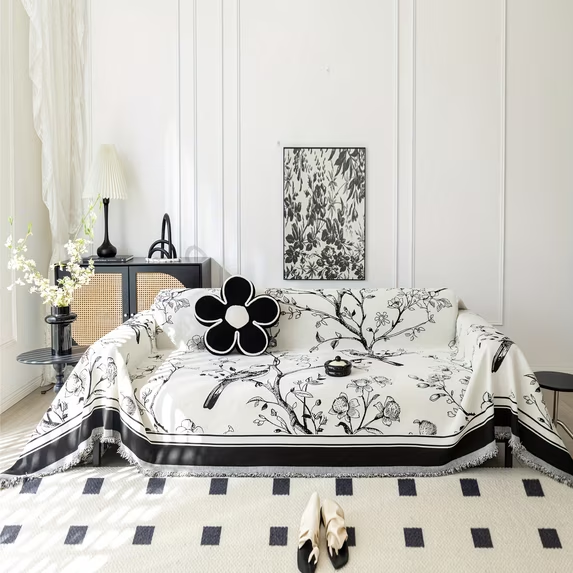
A fabric swatch can seem beautifully soft and visually elegant, while remaining unsuitable for its intended finished product. When that material is fitted across a sofa, made into a cover or stitched into bedding, it may behave quite differently. The material's weight affects the way it falls, the surface responds differently to changing light, and the construction affects how straightforward maintenance will be.
Choosing a sofa cover, sofa panel or bed cover involves more than simply finding an appealing shade. The essential consideration is how the finished piece needs to behave in everyday situations. A space frequently occupied by family members requires different fabric decisions than a bedroom mainly prepared for occasional visitors.
Assessing how the furnishings will be used from day to day provides a practical basis for comparing holland velvet, mosha velvet, quilting and embroidery without making decisions on appearance alone. This approach also helps prevent small decisions made during sampling from causing expensive difficulties after the finished furnishings have been delivered.
Begin with What Happens in the Room
Before examining different materials, establish the intended use of each furnishing. A sofa where someone reads briefly each evening experiences different levels of use compared with seating used continuously during the day. Regular movement, pets, food and exposure to direct sunlight can change which fabric properties matter most in the selection process.
When choosing a sofa cover, determine whether it is intended mainly to protect the furniture, a decorative update or a removable covering for occasional use. While several goals may apply, one commonly determines the main requirements. A cover intended for protection requires reliable coverage and secure placement, while a decorative piece used infrequently might place more value on how it hangs.
When assessing bedding, separate the finished appearance of the bed and the practical comfort necessary overnight. A bed cover may serve chiefly to create a neat-looking surface, whereas a comforter usually contributes insulation. Identifying the role that matters most can prevent unwanted bulk and overly complicated layers.
Express these requirements in clear, practical terms. The description “easy to remove and dry” is more informative than the vague phrase “premium quality” because it refers to a characteristic that can actually be tested.
Assess More Than Colour When Examining Fabric Samples
A little fabric sample allows you to assess how the material feels, but cannot demonstrate every feature of a completed furnishing. Hold the sample vertically, spread it flat and bend it around a curved surface. These basic tests make it easier to see whether the textile hangs smoothly, retains its shape or gathers into heavy folds.
Examine the fabric face as well as its backing. The backing can play an important part in the fabric's stability, depth and behaviour during sewing. A material that looks attractive on the surface may not work well with every construction process, most notably where different layers meet along seams and at corners.
While reviewing holland velvet, focus on the precise material offered without assuming the product name establishes fixed material characteristics. Fibre composition, backing, pile properties and finishing processes may differ between products. The same principle should guide your evaluation of mosha velvet, examining the product details together with a representative swatch.
Review the materials in the lighting where the finished furnishings will be placed. Light entering through windows and illumination from evening lamps can reveal varying undertones. A neutral fabric that appears invitingly warm as a small swatch can look considerably cooler alongside established interior finishes.
Consider the Direction of Velvet Surfaces When Designing
Velvet can look lighter or darker depending on the direction from which it is viewed. This characteristic becomes particularly visible across neighbouring sections, as cutting pieces in different directions may create an accidental patchwork appearance even if every section comes from the same fabric roll.
For a sofa panel design, determine how the pile should run before any fabric is cut. Each section that can be seen should reflect a clearly planned direction. Where contrasting pile directions are part of the planned appearance, the approved sample should make that decision clearly visible.
This principle also applies when working with removable cushions or standalone covers. Pieces that look consistent while spread across a flat surface can look different when placed upright against a sofa backrest or laid across the horizontal seat surface.
Move and touch the fabric as it would be handled in everyday use. Soft brushing and slight pressure may produce temporary changes in the visible pile. Find out what surface behaviour is normal and which care method is recommended. Having accurate expectations about changes in the pile's appearance allows you to identify the difference between natural surface effects and inconsistent production.
Choose Sofa Cover Fit Based on Dimensions and Everyday Movement
Unlike a solid box, a sofa has surfaces that move and compress. Cushions flatten under weight, occupants shift around and armrests affect how the fabric sits. Taking only the sofa's overall height and width may therefore fail to identify significant fit-related problems.
Note the depth of the seat, backrest height, arm design and positioning of the cushions. Determine which cushions remain fixed and which can be removed, while also noting any movable furniture components. The cover should permit these sections to move without restriction without the material becoming taut around the joins.
Consider how the extra fabric will be distributed. Too little material can produce tension around curved areas and corners, whereas too much material might bunch together or shift towards the front edge. Measurement requirements change when producing a tailored covering from those used for a loose, throw-style sofa cover.
Where circumstances allow, test the proposed cover on the sofa, followed by several ordinary sitting and standing movements. Check if the cover moves, leaves the seating exposed or develops raised folds that feel uncomfortable. This hands-on check can expose practical shortcomings that might remain hidden in a carefully styled photograph.
How readily the cover can be taken off matters as well. A smart-looking cover that takes considerable time and effort to refit may be impractical when regular cleaning is necessary.
Consider Quilting as a Structural Feature as Well as a Design
Quilting brings multiple textile layers together using stitches, creating a finished surface with texture, structure and a particular visual repetition. The final effect is influenced by the face material, internal filling, reverse layer, stitch design and construction quality.
Tightly arranged quilting lines may produce different characteristics than widely separated stitching. The look of the quilting cannot independently demonstrate softness, warmth or durability. Assess the full layered construction rather than only its visible surface as changing the inner filling or reverse layer may alter how a familiar pattern behaves.
In a quilted sofa cover, consider whether the layers can follow the sofa's arms and seating contours comfortably. An overly thick quilted structure may interfere with a neat fit, especially when the material needs to tuck into tight spaces.
With bedding, examine how well flexibility and shape are balanced. The bed cover needs to fall correctly along the sides of the mattress and should not be excessively awkward when folded or stored.
Check the reverse surface with the same care as the front. Inconsistent tension, free threads and gathered fabric embroidery around the stitches might reveal construction problems that become increasingly visible over a large area. A visually pleasing design is worthwhile only if the construction maintains its quality.
Look at the Practical Results of Multi Needle Stitching
Multi needle machinery can produce repeated stitching designs across layered fabrics. Its practical benefits rely on how effectively the machinery settings, textile layers and chosen design work together. The manufacturing technique alone cannot confirm the standard of the completed product.
As you review a sample, determine whether the recurring design remains correctly spaced and aligned. Inspect for skipped stitching, inconsistent tension or evidence that one layer has shifted against another. Such visible details offer a more dependable basis for evaluation compared with relying simply on the stated type of machine.
Pattern placement should also be evaluated after individual pieces are cut. A pattern that appears evenly arranged across a large textile section could look unbalanced on a narrow sofa panel or along the border of a bed cover. The cutting plan should take the visible position and continuation of the repeated design into consideration.
When arranging larger quantities, request approval of a representative completed product instead of depending entirely on an uncut piece of stitched fabric. The representative piece needs to incorporate the specified edging and stitched joins, because seams and edging can add bulk and affect the completed dimensions.
Position Embroidery with Comfort and Appearance in Mind
Embroidery uses thread to add decorative features to a textile surface, although its location affects how the product looks and feels during use. An embroidered design on the front of a cushion experiences different contact pressures from embroidery located directly beneath someone seated on a sofa.
Assess the amount of stitching and the texture produced by the selected motif. Heavy or elevated stitching may produce a noticeably firm contact surface. On frequently occupied seating, placing the design away from the main sitting surface may create a more suitable compromise between decorative appeal and comfort.
Check the fabric surrounding the embroidery for signs of distortion. Heavy stitch concentration can cause lighter materials to contract around the design unless the fabric and stabilising method are suitable. When embroidery is applied to pile fabrics, the motif must also remain clearly defined to remain visible on the fabric surface.
Examine the underside together with any lining intended to separate stitching from the body. Unsecured thread ends and coarse or uneven sections should be addressed before approval.
There is no need to embroider every textile item to achieve a consistent room design. Using the same motif selectively across a few items helps create continuity while allowing unadorned fabrics to offer visual relief.
Consider Bedding Style and Sleeping Comfort Independently
A completed bedroom setting may include a bed cover together with a comforter, but each should be evaluated according to the purpose it is meant to serve. Because product names are not always applied consistently, confirm the actual materials and construction rather than trusting the name alone.
With a decorative bed covering, examine the measurements, fall of the fabric and required coverage along the mattress. An especially deep mattress or the wish for a longer drop along its sides can make a substantial difference to the appropriate bed cover measurements.
In selecting a comforter, look at the filling details, construction method and cleaning requirements. Insulating performance is affected by more than one factor, including the filling and its loft; simply comparing product weights is not a dependable way to judge different comforters.
Think about the person responsible for arranging the bedding and using it overnight. Thicker, heavier bedding may provide a visually rich finish while making everyday adjustment, washing and storage inconvenient. Using numerous decorative coverings may be impractical when they are taken off the bed every evening.
Put together an arrangement that works with everyday bedroom habits. A well-chosen arrangement remains comfortable and straightforward to manage once the novelty of the original appearance has passed.
Test the Care Routine Before Committing
Care considerations need to form part of the selection process from the beginning. Examine the recommended care information for the finished furnishing, since the face material, internal layers, stitched decoration and finishing details can have different care needs than an individual fabric sample before construction.
If the care instructions permit it and the method is appropriate, clean a representative sample using the cleaning technique intended for the finished product. Then examine any differences in measurements, shade, surface feel and stitched construction. Relatively small dimensional changes across different directions can significantly influence how a closely fitted sofa cover sits.
Pay equal attention to how the furnishing will be dried. Bulky layered furnishings can be difficult to dry in households with limited room, and domestic washing machines might not accommodate every furnishing. Account for these limitations before selecting particularly bulky bedding.
A fabric protection finish should not be taken as evidence of resistance to every stain or cleaning substance. How the material responds will depend on both the applied finish and the substance it encounters.
Keep the confirmed maintenance information with the furnishing's specification. This provides a dependable reference for future cleaning while helping prevent unintended damage caused by guesswork.
Approve the Whole Piece Before Repeating It
If a number of matching items are required, evaluate the decisions through a representative completed product. Colour, pile direction, sizing, pattern position and edge finishing should be checked together as parts of the complete article instead of receiving separate approvals without considering the overall result.
Place the finished example where it will be used and look at it from everyday positions. Use the covered seating, fold the bedding as normal and inspect how the edges and corners sit. Ordinary actions of this kind often uncover more compared with prolonged inspection of an unshaped textile sample.
Document the approved specifications clearly, including measurements and agreed tolerances. Where practical, retain a reference sample, especially when future purchases are expected to match the first order.
The final assessment is also an opportunity to remove unnecessary complexity. Removing unnecessary layers or scaling back the decoration might enhance usability without reducing the visual quality of the finished piece.
Conclusion
Creating practical, attractive furnishings requires a clear picture of how each piece should function. Assess a sofa cover according to how securely it fits and responds to everyday activity, examine velvet using the actual material sample, and look at quilting and embroidery as integrated parts of the overall textile construction. When selecting bedding, balance its decorative effect with overnight comfort and a manageable care routine. By making these decisions carefully, an attractive material can become a functional finished piece that keeps working effectively long after the initial room arrangement.